
SMEPAC testing assesses how effectively pharmaceutical equipment contains airborne particles during defined tasks. Also known as pharmaceutical containment performance testing, it helps manufacturers evaluate equipment used to handle active pharmaceutical ingredients (APIs), potent compounds and hazardous powders.
Testing follows methodologies described in the ISPE Good Practice Guide: SMEPAC, providing evidence of containment performance under the conditions tested.
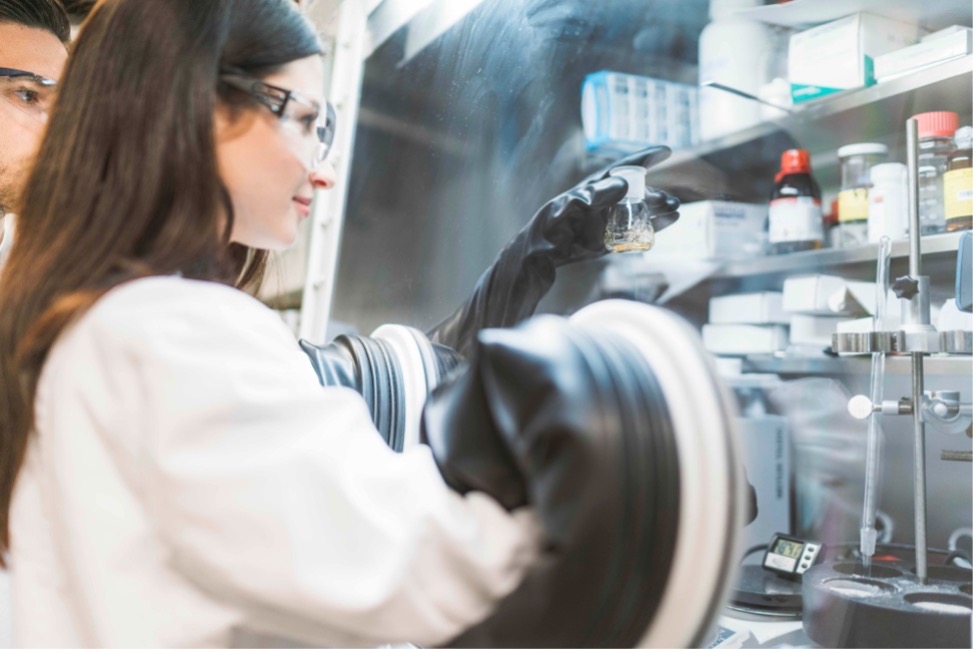
How does SMEPAC testing work?
A suitable surrogate powder, such as lactose, is processed through the equipment using an agreed test protocol. Personal and static air samples measure airborne emissions, while surface samples help identify contamination and material transfer.
Laboratory analysis measures the amount of surrogate collected. Results are assessed against agreed acceptance criteria, including the Containment Performance Target (CPT) where applicable.
The surrogate, sampling strategy and analytical sensitivity must be suitable for the process and the performance being assessed.
What equipment can be tested?
SMEPAC containment testing can assess pharmaceutical isolators, downflow booths, ventilated enclosures, tablet presses and powder transfer systems, including split butterfly valves.
Assessments may support Factory Acceptance Testing (FAT), Site Acceptance Testing (SAT) or reassessment following equipment or process changes.
Why is SMEPAC testing important?
Equipment specifications alone cannot demonstrate containment performance during use. SMEPAC testing helps identify where powder escapes and whether improvements to equipment, operating procedures or cleaning methods are needed.
The tasks tested matter. Charging, discharging, disconnecting and cleaning can create different exposure risks. A successful production run does not automatically demonstrate effective containment during cleaning.
SMEPAC testing does not replace operator exposure assessments against Occupational Exposure Limits (OELs). It evaluates containment performance under defined test conditions, providing evidence to support a wider workplace exposure assessment. Passing a SMEPAC test does not, on its own, demonstrate that operator exposure during normal production is below the relevant OEL.
SMEPAC testing from Armstrong Environmental
Armstrong Environmental provides independent SMEPAC testing and pharmaceutical containment performance assessments, including protocol development, air and surface sampling, laboratory analysis and practical recommendations.
Find out more about our SMEPAC testing services or contact our team to discuss your equipment and containment requirements.