Airborne contaminants are often invisible, but long-term exposure can lead to serious occupational illnesses including asthma, COPD, dermatitis and occupational cancer.
Our COSHH exposure monitoring services help employers assess employee exposure, demonstrate compliance with Workplace Exposure Limits (WELs) and verify the effectiveness of workplace control measures.
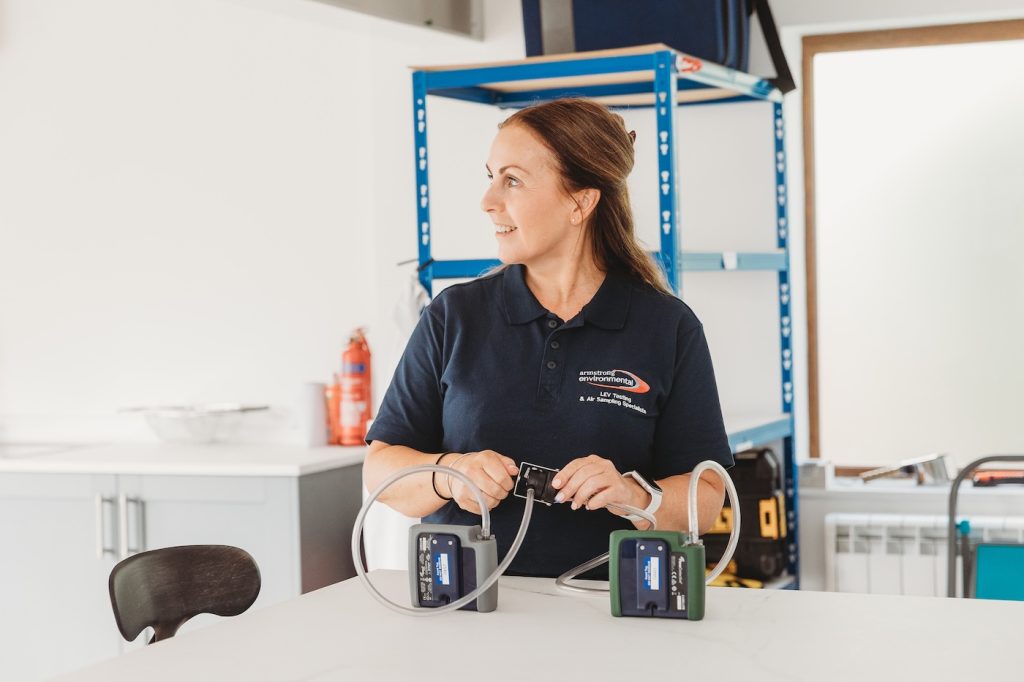
Occupational hygiene is the science of identifying, assessing and controlling workplace health hazards that may affect employee wellbeing.
Our occupational hygiene specialists help businesses evaluate exposure risks, assess compliance with COSHH regulations and implement effective control measures to reduce harmful exposure in the workplace.
Long-term exposure to airborne contaminants can lead to serious occupational illnesses including:
Our specialists support organisations by:
Under COSHH Regulations, employers are required to adequately control exposure to substances hazardous to health. Our assessments help businesses demonstrate compliance while protecting workforce health.
Monitoring within the operator breathing zone to assess actual employee exposure during work activities.
Area-based monitoring used to assess contaminant migration, background concentrations and process emissions.
Assessment of surface contamination levels to identify spread of hazardous substances across the workplace.
Biological exposure assessment, including urine testing for substances such as isocyanates, to verify the effectiveness of controls and PPE.
Review of substances, tasks, exposure groups and monitoring objectives.
Visual assessment of processes, controls, work practices and employee interaction
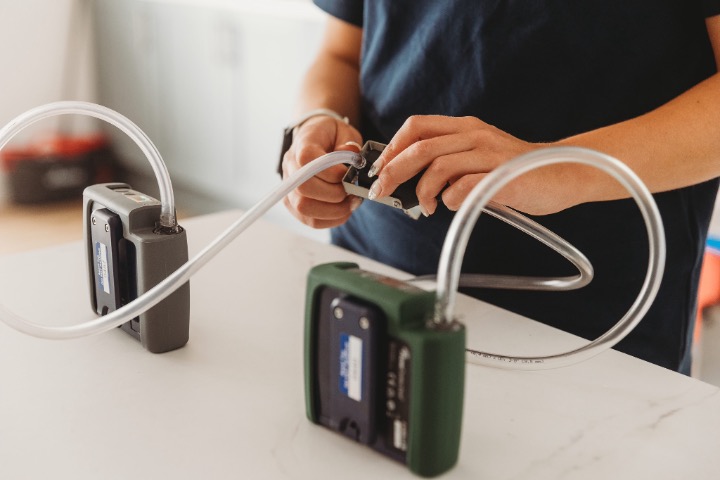
Personal and static air sampling using calibrated equipment and recognised methodologies.
Clear technical reporting including exposure results, compliance interpretation and practical recommendations.

